Biometric and RFID Attendance for Schools in Bangladesh: A Setup Guide (2026)
RFID, fingerprint or face attendance? Compare devices, local costs and an 8-step setup for schools in Bangladesh, plus how guardian SMS works.
Toripe Team · · 7 min read
Key takeaways
- Choose the device by school size and age group: RFID for speed, face for hygiene and young children, fingerprint for low cost and no cards to lose.
- The device alone is not enough. It must sync with your school software so attendance reaches the class register, reports and guardian SMS.
- Plan for one device per 300 to 400 students at the gate, or per entrance used during the morning rush.
- Collect two guardian phone numbers at admission. An alert is only as good as the number it goes to.
- AI looks at attendance over weeks, not just today, and flags students whose attendance is falling before it becomes a dropout.
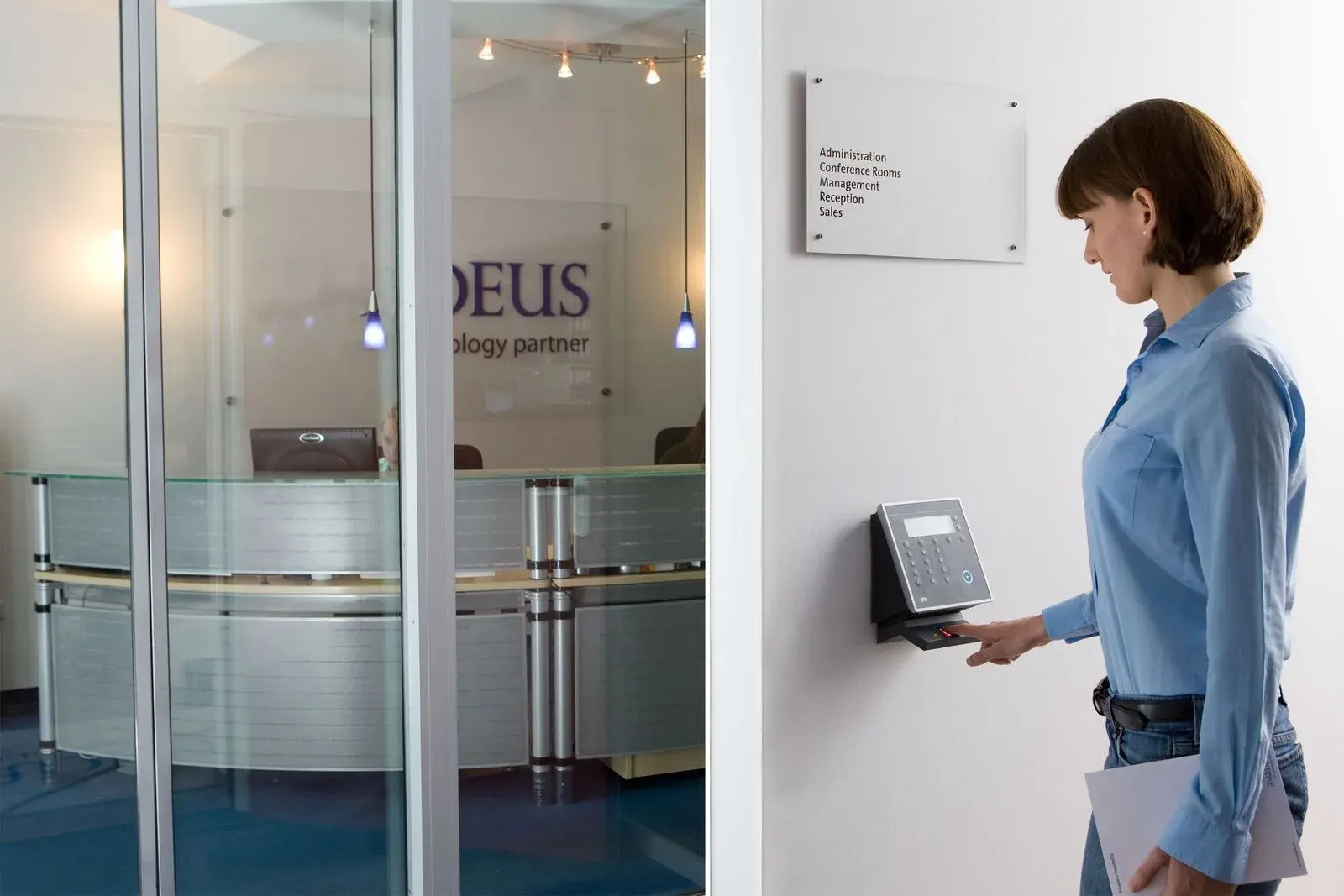
A school attendance system in Bangladesh uses a fingerprint, face or RFID card device at the gate or classroom door. Each scan is sent to the school management software, which marks the student present, records late arrivals and sends an SMS to the guardian of every absent student. RFID cards are the cheapest and fastest option for large schools. Face recognition is the most hygienic and cannot be passed to a friend. Fingerprint sits in the middle.
Paper registers take 10 to 15 minutes of every first period, and proxy attendance is common. A device at the gate can mark hundreds of students in the same time and tell guardians within minutes. This guide compares the three device types, explains how they connect to software, walks through a step-by-step setup, and shows where AI turns attendance data into early warnings.
Disclosure: this guide is published by Toripe, a school management software company with a built-in AI assistant called Tori. Toripe's features and public prices are used as examples.
Fingerprint, face or RFID: which fits your school?
- Time per student. RFID card: Under 1 second. Fingerprint: 1 to 2 seconds. Face recognition: 1 to 2 seconds.
- Proxy risk. RFID card: High, cards can be shared. Fingerprint: Low. Face recognition: Very low.
- Hygiene. RFID card: Touch-free. Fingerprint: Shared touch surface. Face recognition: Touch-free.
- Young children. RFID card: Cards get lost. Fingerprint: Small or worn fingerprints fail more often. Face recognition: Works well.
- Ongoing cost. RFID card: Replacement cards. Fingerprint: Low. Face recognition: Low.
- Best for. RFID card: Large schools, colleges, fast gates. Fingerprint: Small and mid-size schools, staff attendance. Face recognition: Kindergartens, schools that want no proxy.
Many schools combine methods: RFID cards for students at the gate and fingerprint or face for teachers and staff, whose attendance feeds payroll.
What devices cost
Retail listings in Bangladesh in late 2026 show basic fingerprint machines from around ৳3,000, combined fingerprint and RFID terminals around ৳6,000, and face plus fingerprint units around ৳10,000 to ৳11,000. Prices change with stock and model, so get a current quote. RFID ID cards cost extra per student. At Toripe, an RFID ID card with lanyard is ৳100, and connecting a device to the software is a one-time ৳1,000. Devices can be bought or rented.
How the device connects to the software
This is the part most schools get wrong. A standalone attendance machine stores scans in its own memory. Someone then has to download them to a PC and copy them into a register. That is only a little better than paper.
A connected device works like this:
- The student scans at the gate.
- The device sends the scan over the school's internet connection.
- The software matches the scan to the student's record and marks them present, with the time.
- At the cut-off time, the software sends an SMS to the guardians of students who have not scanned.
- Class teachers see the list on their login and can correct it, for example for a student who arrived with a parent.
Ask any vendor which device brands they support. Toripe syncs with ZKTeco and Stellar devices on arrival, and supports fingerprint, face recognition and RFID readers.
Setup in eight steps
- Count your entrances and the number of students who arrive in the busiest 15 minutes. That sets how many devices you need.
- Choose the method using the table above. Decide separately for students and staff.
- Check power and internet at each spot. Put the device near a power socket with a backup, such as an IPS. Make sure Wi-Fi or a network cable reaches it.
- Enrol every student. For fingerprint or face, this takes about a minute per student. Do it class by class over a week. For RFID, print cards linked to each student ID.
- Set the rules in the software: gate opening time, late mark time, absent cut-off time, and the SMS send time.
- Write the SMS messages in Bangla and English. Keep them short.
- Run a two-week trial with SMS going only to staff, and compare device attendance with the paper register.
- Switch on guardian SMS and tell guardians in advance what to expect.
What happens when the internet goes down?
Good devices store scans in their memory and send them when the connection comes back. The absent SMS may be delayed, but no attendance is lost. Ask the vendor to show this during a demo by unplugging the network cable.
Set timing rules that match your school
Example rules for a school that starts at 8:00 am:
- 7:15 am: Gate opens, scans start
- 8:00 am: Scans after this are marked late
- 8:30 am: Students with no scan are marked absent; guardian SMS is sent
- Afternoon: Optional exit scan, with an SMS when the student leaves
For a two-shift school, set separate times for each shift.
Staff attendance and payroll
The same devices can record teacher and staff attendance. When staff attendance feeds the leave and payroll system, late days and unpaid leave are counted automatically at the end of the month. This removes one of the most common disputes in school offices.
Where AI helps with attendance
A device tells you who is absent today. AI tells you who is at risk.
At-risk student detection
Tori, the AI assistant in Toripe, looks at each student's attendance over weeks and flags falling attendance early enough to act on. A student who drops from 95% to 80% attendance over a month is often the first sign of a family problem, a health issue or a student who is about to leave. Tori also compares attendance with exam marks, so the class teacher sees which students are slipping on both.
Messages in plain words
You can ask Tori, for example, "tell the parents of today's absentees in 8-B", and it writes and sends the message in Bangla or English.
The principal's daily list
Absent staff appear on the principal's daily alert list, next to unpaid dues and missing exam marks, so cover for absent teachers can be arranged before the first period.
Common mistakes
- Buying devices before choosing software, then finding they do not connect.
- Putting one device at a gate used by 1,000 students, which creates a queue.
- Skipping the trial period, so wrong guardian numbers are found only after complaints.
- Not training class teachers to correct attendance for valid reasons.
- Placing face recognition devices facing direct sunlight, which lowers accuracy.
Read our guide to SMS attendance alerts for message examples, and our school management software buyer's guide for the other modules to check.
Related guides: parent portals, AI in school management.
Next step
Count your entrances and students per shift, decide the method for students and staff, then book a live demo. Ask to see a scan reach the software, an absent SMS go out, and Tori flag a student whose attendance is falling.
Frequently asked questions
What is the best attendance device for a school in Bangladesh?
For large schools, RFID cards are fastest. For kindergartens and schools that want to stop proxy attendance, face recognition works best. Fingerprint is a good low-cost choice for small schools and for staff attendance.
Do we need a biometric device to send attendance SMS?
No. Teachers can mark attendance manually on a phone or computer and the software sends the SMS. A device makes it faster and stops proxy attendance.
How many devices does a school need?
Plan for roughly one device per 300 to 400 students arriving in the morning rush, and at least one per entrance that is used.
Does biometric attendance work without internet?
Most devices store scans and send them when the connection returns. Attendance is not lost, but SMS alerts may be delayed.
Can the same device record teacher attendance?
Yes. Staff attendance from the same device can feed leave and payroll, so late days and absences are counted automatically.
Which Toripe plan includes device attendance?
RFID attendance integration is in the Enhanced plan. Fingerprint and face recognition, and RFID student ID cards, are in Premium. Manual student attendance with SMS is available from Basic. See the pricing page.